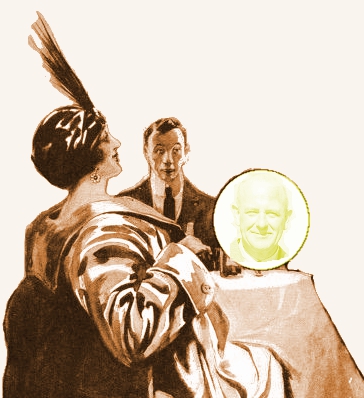
 Madame Eulalie’s Rare Plums
Pearson’s Xmas ’Xtra, 1903

I.
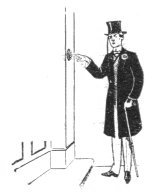 On my lady’s white doorstep I linger,
I have news which I’m eager to tell,
Yet, somehow, my neatly-gloved finger
Shrinks coyly from pressing the bell.
I love her amazingly, dearly;
I have come here to tell her so now.
But, alas! I’m in doubt if I clearly
Know how!
II.
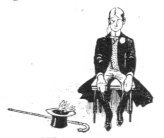 Shall I whisper my passionate pleadings,
Or try a stage-villainous hiss?
At what point in the tender proceedings
Shall I venture to ask for a kiss?
When I call her a goddess, or queen, or
An angel, I might strike my chest;
Or would a mere placid demeanour
Be best.
III.
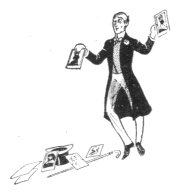 Shall I mention my qualifications
To make her a suitable mate?
Shall I drag in my titled relations—
On my personal beauty dilate?
Shall I say I’m as rich as one need be?
Shall I slide my right arm round her waist?
Or would in her eyes such a deed be
Bad taste?
IV.
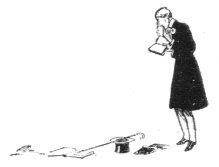 Shall I find it my best plan to flatter,
Or trust to a business-like speech?
I am simply a child in the matter—
A child, whom there’s no one to teach.
For the rather remarkable fact is,
Though I’ve read of such scenes by the score,
I have never essayed one in practice
Before.
V.
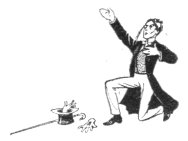 Shall I swear with astonishing fervor
That I love her far better than life?
Or own that I do not deserve her,
Yet gladly would call her my wife?
Shall I make my voice tremble with feeling?
Or charm her with flashes of wit?
Shall I speak to her standing, or kneeling,
Or sit?
VI.
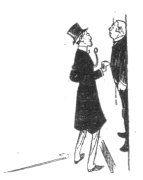 Ah, well! I had best get it over;
I can’t haunt this doorstep all day.
When a man comes to call as a lover,
He chafes at the smallest delay.
Though I charm, or displease, or amaze her,
I shall end all this worry and doubt
(Presses bell.)
The Butler: “Miss Hester, I’m sorry to say, sir,
Is out!”